
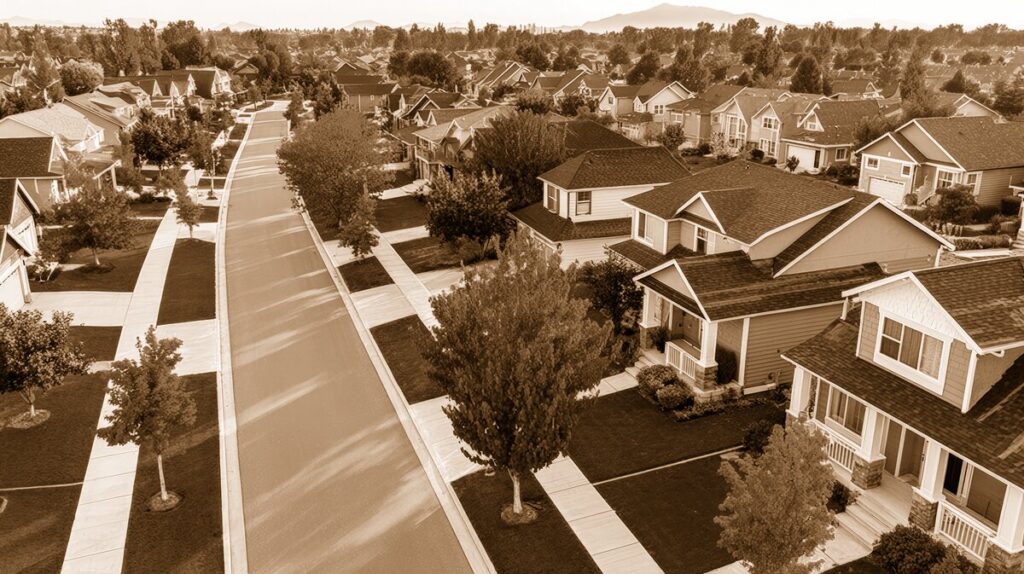
Nestled on the western edge of Houston, Royal Oaks is more than just an exclusive gated community—it’s a neighborhood defined by its graceful evolution, memorable landmarks, and a unique sense of belonging felt by each resident. From its origins to present-day prestige, Royal Oaks is a tapestry woven from stories, milestones, and a deep-rooted pride in community.
The Origins of Royal Oaks
The land where Royal Oaks sits today was once sprawling prairie and farmland. In the late 20th century, as Houston continued to expand westward along Westheimer Road (FM 1093), developers saw potential in the lush, untapped landscapes bordered by Kirkwood Road and Wilcrest Drive. Inspired by the natural canopy of regal live oaks that dotted the property, the name "Royal Oaks" was chosen to evoke both grandeur and a connection to the land’s native beauty.
The formative vision for Royal Oaks emerged in the late 1990s, when the Royal Oaks Country Club was conceived as the centerpiece of a new kind of residential living—exclusive, yet community-focused, with amenities blending seamlessly into the tranquil setting.
Naming Heritage: Why "Royal Oaks"?
The decision to call the neighborhood "Royal Oaks" was not arbitrary. Developers and architects were struck by the elegance and history of the stately oak trees, some of which had stood sentry on the land for over a century. These trees were carefully preserved, now lining the main boulevards such as Royal Oaks Club Drive and Meadowglen Lane, offering dappled sunlight and a sense of continuity to residents new and old.
The “Royal” aspect hints at the community’s ambition—an oasis of high standards and refined living, while “Oaks” anchors it in local heritage and ecological respect.
Key Historical Milestones
- 1997: Planning and clearing of land began, with particular care given to the conservation of mature oaks and native flora. The intention was to create a gated, secure neighborhood with a focus on natural elegance.
- 1999: The Royal Oaks Country Club officially opens. The private, 18-hole Fred Couples Signature Golf Course immediately drew attention, blending championship-level sport with Texas hospitality.
- Early 2000s: Homesites went on sale, attracting a mix of established professionals, new families, and retirees. The architectural guidelines ensured that homes, while diverse in style, retained a unified, upscale character.
- 2012: The addition of Royal Oaks Village, including boutique shopping and dining along Westheimer Road, provided residents with amenities within walking distance, fostering closer community ties.
Notable Landmarks and Institutions
Royal Oaks is anchored by several key sites and gathering spots:
- Royal Oaks Country Club: Without question, the heart of the neighborhood. Its Spanish Mediterranean-style clubhouse, expansive golf course, tennis courts, and pool serve as a social and recreational hub.
- Meadowglen Park: A favorite for families, Meadowglen Park, just east of the main gates, offers playgrounds, winding walking trails, and shaded picnic spots—a testament to the neighborhood’s commitment to green spaces.
- Streetscapes: The grand boulevard entrance at Royal Oaks Club Drive is lined with majestic oaks and seasonal landscaping, welcoming residents home in style.
- Nearby Institutions: While not within the gates, local schools like Outley Elementary and Hastings High School have educated generations of Royal Oaks children, contributing to the neighborhood’s family-friendly reputation.
Evolution Over the Decades
As Houston has matured, so too has Royal Oaks. What began as a vision for luxury living has flourished into a close-knit, securely gated community that feels both exclusive and welcoming. The integration of parks, walking paths, and community events—like annual holiday light tours and summer socials—has fostered a neighborly spirit, rare in many thriving cities.
Modern-day Royal Oaks is a vibrant patchwork of cultures and ages. The original homes, built in elegant Mediterranean, French, and contemporary styles, remain beautifully maintained, while new custom builds continue to enhance the landscape without sacrificing the neighborhood’s character.
Neighbors stroll with dogs along Westheimer, friends gather for brunch at the club, and children ride bikes in safety within the gated streets. Despite the ever-encroaching sprawl of Houston, residents often say Royal Oaks feels like a peaceful town within a city—a place where lifelong memories are made under the shelter of old oak trees.
The Enduring Appeal of Royal Oaks
What truly distinguishes Royal Oaks isn’t just its architecture or its golf courses, but its sense of legacy mixed with modern energy. It’s the neighbor who remembers when the first houses were built, the community-wide garage sales on Royal Oaks Square, the laughter at Meadowglen Park on summer evenings, and the annual Fourth of July parade weaving through the leafy boulevards.
Royal Oaks was born from visionary thinking and a love for the land’s natural beauty. Decades later, it stands as both a testament and a tribute to what careful planning, respect for heritage, and a sense of belonging can create.
So whether you’re teeing off at sunrise, enjoying a sunset stroll beneath the mighty oaks, or simply sitting on your porch watching the world go by, Royal Oaks remains one of Houston’s most cherished addresses—rooted in elegance, growing together, and always welcoming neighbors home.